Low-Calorie Lunch Options in Manila: Why Pho Is the Ultimate Healthy Comfort Food
Healthy does not mean bland. That idea — that eating light means eating sad — is the most persistent lie in Manila's lunch culture. A bowl of pho flips it on its head completely. Clear broth. Lean protein. A mountain of fresh herbs. And flavor so deep it punches you right in the tastebuds.
If you are scanning your options for low-calorie lunch options in Manila that will not leave you staring at the ceiling by 2 PM, pho is the most practical answer on the table. Not because it is diet food. Because it is real food, built the right way.
Why Pho Works as a Light Lunch
Most hot meals in Manila's lunch rotation are heavy by design. Rice plates arrive with a fried protein, a ladle of sauce, and a side that adds more oil than vegetables. By 1:30 PM, the post-lunch crash is already booked.
Pho is structurally different. The base is bone broth — simmered for hours with star anise, cinnamon, ginger, and charred onion. No cream, no roux, no heavy oil added at the end. The broth is the flavor. A clear soup has a dramatically lower caloric density than a cream-based sauce or a deep-fried coating, which means your stomach fills on volume and warmth rather than fat.
Then there is the garnish plate. Bean sprouts, fresh basil, sliced chili, a wedge of calamansi. These are not decoration. They are fiber, hydration, and micronutrients that most office lunches completely skip.
Research on protein and satiety from Harvard T.H. Chan School of Public Health confirms that high-protein meals reduce appetite hormones more effectively than high-carbohydrate or high-fat alternatives. Pho is protein-forward. That matters.
The Calorie Breakdown: What You Are Actually Eating
People underestimate pho because it looks like "just soup." It is not just soup.
A medium bowl of traditional beef pho contains roughly 350–500 calories. The range shifts depending on which protein you choose, how much of the garnish plate you add, and whether you ask for extra noodles. Chicken pho runs lighter than brisket or fatty flank combinations because chicken breast is leaner tissue with less marbled fat.
Here is what goes into a bowl at Số Một:
- Rice noodles (Bánh phở): approximately 190–210 calories per medium serving. Complex carbohydrate with a moderate glycemic response — not the spike you get from white rice.
- Lean protein (rare beef slices or chicken breast): 80–130 calories per medium serving. Complete amino acid profile.
- Bone broth: roughly 40–70 calories per 400ml. Collagen-rich, sodium-forward, deeply aromatic.
- Garnish plate (bean sprouts, fresh herbs, lime): under 30 calories. High fiber, high water content.
Compare that to a standard silog — white rice with a fried protein — which routinely runs 700–900 calories before you touch the side dishes.
The Philippine Food and Drug Administration sets the daily calorie reference intake for an average adult at 2,000 kcal. A medium bowl of pho at lunch uses less than 25% of that daily budget.
The Best Bowls to Order for a Light-but-Busog Lunch
At Số Một, two bowls stand out specifically for people looking for easy healthy meals that will not require a blanket afterward.
Chicken Noodle Soup — Phở Gà
₱374 (Medium) · ₱439 (Large)
Poached or braised chicken in a clear aromatic broth, served with rice noodles and the full garnish plate. Chicken breast is the leanest protein option in the bowl lineup. The broth carries the full complement of spices — star anise, cardamom, ginger — without any added oil. This is the "light-but-busog" bowl.
Rare Beef Noodle Soup — Phở Tái
₱374 (Medium) · ₱439 (Large)
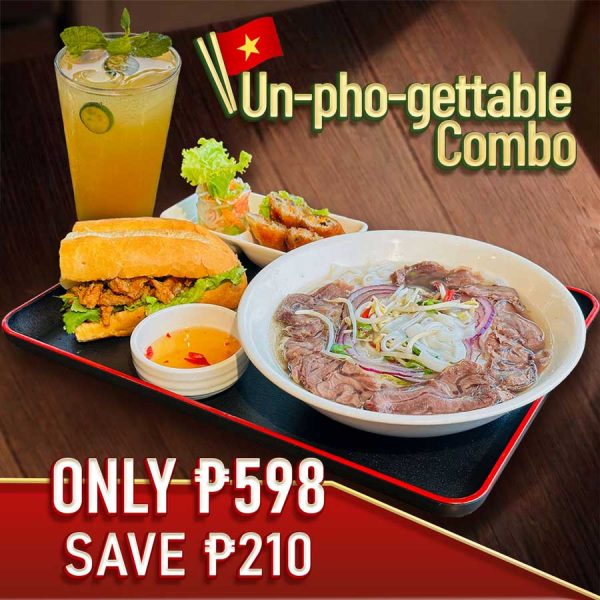
Thinly sliced raw beef that finishes cooking in the hot broth tableside. Lean round or eye-of-round cuts mean less marbled fat than a brisket bowl. High protein content, clean finish. If you want the classic pho experience without the heavier beef combinations, this is the order.
Both bowls are built on the same broth base — imported spices and bones, simmered at the Số Một kitchen. Almost all of the core ingredients at Số Một are sourced directly from Vietnam, which is why the broth flavor is not something you can replicate at home with local substitutes.
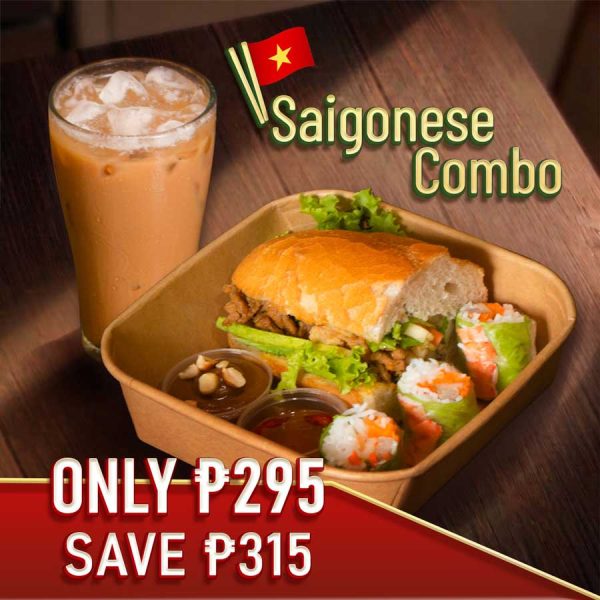
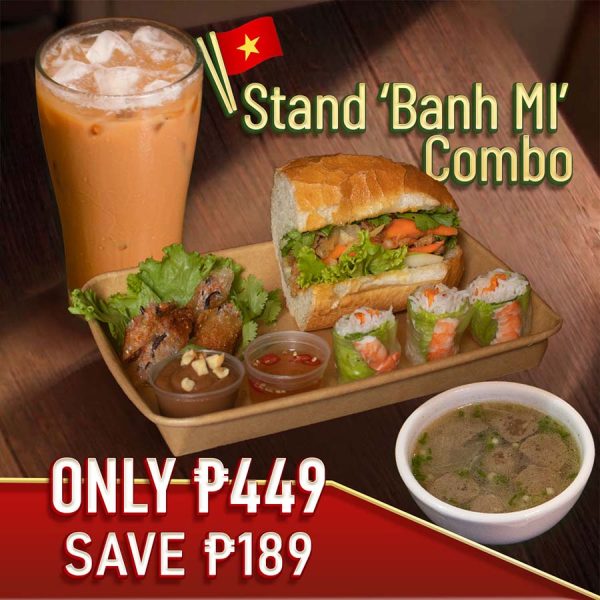
For a lighter option that pairs well alongside a bowl: Fresh Spring Rolls (Gỏi Cuốn) at ₱283 are rice-paper-wrapped with raw vegetables, herbs, and a small amount of protein. No frying. The dipping sauce is peanut-based and savory — a different flavor profile from the broth, which makes the combination more interesting than ordering two of the same thing.
The Afternoon Food Coma — and How to Avoid It
The afternoon food coma is not a myth. It is a real physiological response called postprandial somnolence — a shift in blood flow toward your digestive system and a rise in serotonin production after a heavy, high-carbohydrate meal.
Most Manila office lunches trigger it on purpose, structurally. High-fat, high-carbohydrate meals processed quickly cause a blood sugar spike followed by a crash. The crash brings the drowsiness.
Pho avoids this in two ways. First, rice noodles have a lower glycemic index than steamed white rice, which means a slower, flatter blood sugar curve. Second, the high water content of the broth slows gastric emptying. You feel full sooner and the energy release is more gradual.
Good food should not make you want to sleep for the rest of the afternoon. If you are looking for meals dripping in grease or deep-fried fast food that leaves you feeling sluggish, Số Một is not the right fit for you. We serve clean broths and fiber-forward sides. That is the whole point.
This is the one thing we are completely unbothered about being direct on: if you need a greasy, heavy comfort meal to feel satisfied, order elsewhere. We will be here when you are ready for bold flavors without the guilt.
When Pho Is Not the Right Choice for You
Pho is not universally right for everyone at every moment. Here is when you should look elsewhere:
- If you are on a low-sodium diet: Bone broth carries significant sodium content. The flavor depth of pho depends on it. If your physician has restricted your sodium intake, a broth-heavy meal is not the right choice.
- If you want a high-calorie recovery meal: Athletes who need 900+ calories in a single sitting after training will need to supplement pho with additional protein or order the large size plus spring rolls. A medium bowl is purposefully moderate.
- If you dislike fresh herbs: Half the nutritional and flavor value of pho comes from the garnish plate. If you cannot stand the taste of fresh basil, bean sprouts, or cilantro, you will eat a bowl and feel like something is missing.
We say this because it is true. Not every meal is for every person. Authenticity means being honest about that.
Frequently Asked Questions
Is pho good for weight loss?
Pho can support a calorie-conscious diet. A medium bowl of Rare Beef Noodle Soup (Phở Tái) at Số Một is built on a clear bone broth — no cream, no heavy oil — with lean protein and a generous plate of fresh bean sprouts and herbs. The high water and protein content helps keep you full without a heavy caloric load.
How many calories are in a bowl of pho?
A standard medium bowl of beef pho typically contains between 350 and 500 calories depending on the protein choice, portion size, and how much of the garnish plate you add. Chicken pho (Phở Gà) tends to run on the lower end because chicken breast is leaner than fatty beef cuts.
What is the healthiest Vietnamese dish to order for lunch?
Pho and fresh spring rolls (Gỏi Cuốn) are consistently the lightest options at a Vietnamese restaurant. Phở Gà (Chicken Noodle Soup) offers clean protein in a clear aromatic broth, while fresh spring rolls are rice paper-wrapped with raw vegetables and herbs — no deep frying involved.
Where can I find low-calorie Vietnamese food in Manila?
Số Một Vietnamese Cuisine has four branches across Metro Manila: Tayuman in Santa Cruz Manila, Pioneer Center in Pasig, Unimart Capitol Commons in Pasig, and Ayala Malls Cloverleaf in Quezon City. All branches carry Phở Gà (₱374 Medium) and Phở Tái (₱374 Medium).
Can I order light Vietnamese food for delivery in Manila?
Yes. Số Một accepts online orders for delivery and pick-up via the menu page at so-mot.com/menu. The Tayuman branch (Santa Cruz, Manila) also services nearby areas including Binondo, Sampaloc, Quiapo, and Tondo.
Is Vietnamese food healthier than most Filipino fast food?
Generally, yes. Traditional Vietnamese cooking relies on clear broths, fresh herbs, and light proteins rather than deep frying or heavy sauces. The cooking philosophy prioritizes balance — aromatics, a touch of fish sauce, fresh vegetables — over grease and heavy calorie loads. This is why a bowl of pho rarely causes the afternoon food coma that follows a heavy Filipino lunch.